Breast surgery can be life-changing. For many women, augmentation, a lift, or a reduction brings a renewed sense of confidence and comfort in their own skin. But bodies change. Goals evolve. And sometimes, a previous result no longer reflects the way you want to look or feel. For women considering breast revision surgery in Charlotte, understanding your options is the first step toward achieving results that better align with your current goals.
If you have had a breast procedure in the past and something does not feel quite right, you are not alone. Breast revision surgery is one of the more common procedures patients ask about at Signature Plastic Surgery, and there are many valid reasons why someone might want to revisit a prior result.
This guide walks through the most common signs that breast revision surgery in Charlotte may be worth considering, what the process typically involves, and how to start an honest conversation with a surgeon who can help.
What Is Breast Revision Surgery?
Breast revision surgery is a broad term that refers to any corrective or updating procedure performed after a prior breast surgery. This can include revisiting a breast augmentation, correcting complications, adjusting implant size or type, or addressing changes that have developed over time.
Some patients pursue revision because of a physical complication. Others simply want to update results that no longer feel like the right fit for their life. Both are completely valid reasons to explore your options.
The right approach depends entirely on what has changed and what you hope to achieve. That is why a personalized consultation is always the starting point.
Common Reasons Patients Seek Breast Revision Surgery in Charlotte
Capsular Contracture
One of the most frequently discussed complications following breast augmentation is capsular contracture. After implant placement, the body naturally forms a thin layer of scar tissue around the implant. In most cases, this capsule remains soft and causes no issues.
For some patients, however, the capsule tightens and hardens around the implant. This can cause the breast to feel firm, appear distorted, or become uncomfortable or even painful over time.
The American Society of Plastic Surgeons recognizes capsular contracture as one of the leading reasons patients seek breast implant revision. Depending on the severity, treatment may involve removing or releasing the scar tissue, replacing the implant, or both.
Implant Malposition
Implant malposition occurs when an implant shifts out of its intended position. This might mean the implant sits too high, too low, or too far to one side. In some cases, both implants drift inward toward each other, a condition sometimes called symmastia.
Malposition can develop gradually over time or may be present from the early stages of healing. It can affect how your clothing fits, how symmetrical your results look, and how you feel about the overall appearance.
Surgical correction typically involves repositioning or replacing the implant and sometimes adjusting the internal pocket to provide better support.
Asymmetry
Some degree of natural asymmetry exists in most women before any surgery is ever performed. In many cases, augmentation or a lift can minimize visible differences. In others, asymmetry may become more noticeable after surgery or develop as the body changes over time.
Breast asymmetry after augmentation can involve differences in size, shape, position, or nipple placement. For patients who are bothered by visible unevenness, breast implant revision can help restore a more balanced appearance.
Dissatisfaction With Size or Shape
Aesthetic preferences are not static. A size that felt right several years ago may no longer reflect how you want to look today. Some patients find that their implants feel too large for their frame or lifestyle. Others feel they would like more fullness or a different projection.
Lifestyle changes, fluctuations in body weight, and simply a shift in personal style can all influence how you feel about your current results. If your implants no longer feel like you, that is a meaningful reason to explore your options.
An implant exchange allows patients to update size, switch from saline to silicone, or choose a different profile, all while keeping the general approach of breast enhancement.
Rippling or Visible Implant Edges
Rippling describes a wrinkling or folding appearance that can sometimes be seen or felt through the skin. It tends to be more common with saline implants and may be more noticeable in patients with thinner breast tissue or lower body fat.
Over time, rippling can become more visible as the skin and tissue above the implant change. Some patients choose to address this through an implant exchange, a switch to silicone, or a change in implant placement.
Changes After Pregnancy or Breastfeeding
Pregnancy and breastfeeding can significantly alter the shape, volume, and position of the breasts, even in patients who have previously had augmentation, a lift, or a reduction.
After pregnancy, some women notice that breast tissue has deflated or sagged around the implant. Others find that their overall breast shape has changed in a way they were not expecting. For patients who have had a breast lift in the past, the natural effects of pregnancy may cause the tissue to stretch again over time.
Breast revision surgery after pregnancy may involve a combination of approaches depending on what has changed, including an implant exchange, a repeat lift, or additional volume correction.
Aging and Natural Tissue Changes
Even the most successful breast procedure cannot stop the natural aging process. Over the years, skin loses elasticity, breast tissue shifts, and the overall contour of the chest can change in ways that affect how prior results look today.
Patients who had breast augmentation in their twenties or thirties may find that their results look or feel different in their forties or fifties. This does not necessarily mean anything went wrong. It simply reflects the reality that bodies change, and revision can help restore balance and proportion as those changes occur.
Implant Age and Long-Term Maintenance
Breast implants are not considered lifetime devices. Patients considering implant surgery or those who have had implants for a number of years can learn more about breast implant surgery directly from the FDA, including what to expect and how to make informed decisions about long-term care.
Over time, implants can develop wear-related changes. Some patients choose to have their implants exchanged proactively as part of thoughtful long-term care, even when no complication is present. Others pursue exchange after a confirmed rupture or after noticing changes in how their implants feel.
Having a frank conversation with a board-certified surgeon about the age and condition of your implants is a reasonable step for any patient who has had augmentation for a number of years.
Wanting to Remove Implants Altogether
Not every patient who seeks revision wants to replace their implants. Some women reach a point where they simply feel ready to return to their natural shape. Reasons for this are deeply personal and may include changes in lifestyle, a desire for less maintenance, physical discomfort, or a shift in how they want to present themselves.
Implant removal, also called explant surgery, is a valid choice. Many patients combine removal with a breast lift or fat transfer to help restore contour after the implants are taken out.
If you are weighing implant removal vs implant exchange, the decision comes down to whether you still want the look and feel of breast enhancement or whether a return to your natural shape feels more aligned with where you are now.
Implant Removal vs. Implant Exchange: What Is the Difference?
Both procedures begin with removing existing implants, but they take different paths from there.
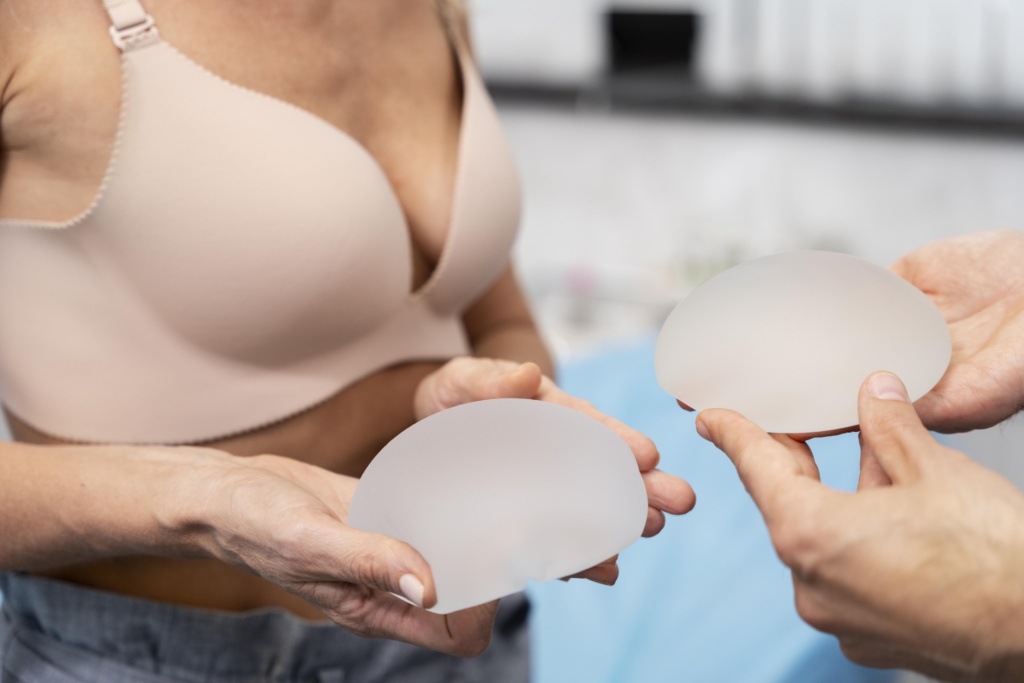
Implant removal ends with taking the implants out entirely, often along with the surrounding scar tissue capsule. Some patients choose to combine this with a breast lift, reduction, or fat transfer depending on how they want the final result to look.
Implant exchange involves removing the existing implants and placing new ones in the same procedure. This gives patients the opportunity to update size, material, or profile while keeping breast enhancement as part of their appearance.
Neither option is better than the other. The right choice depends on your body, your history, and your goals. A consultation with Dr. Marks is the clearest way to understand what each path would look like for you specifically.
What Does Breast Revision Surgery Involve?
Every revision is different because every patient comes in with a unique history, body, and goal.
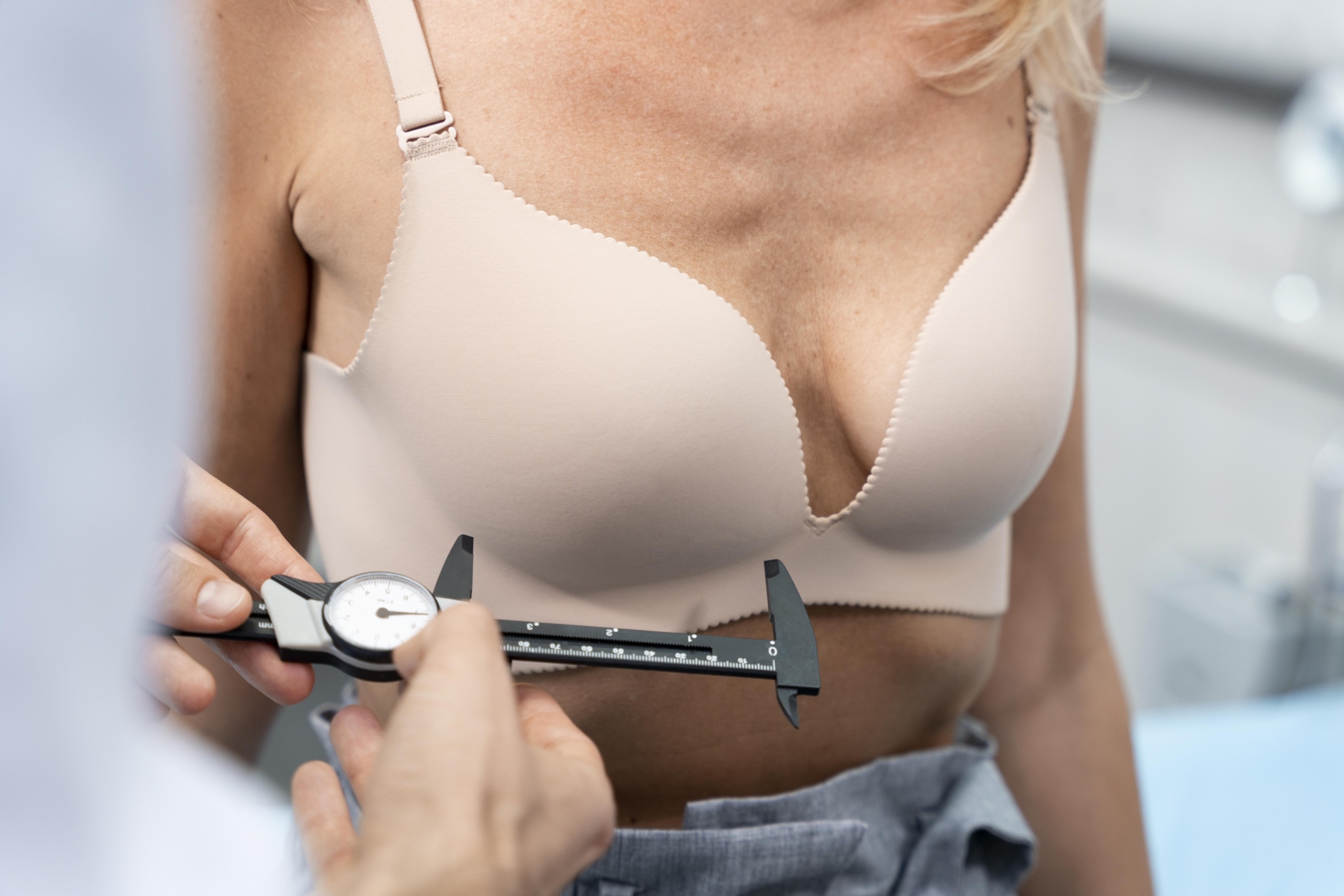
During your consultation, Dr. Marks will review your surgical history, assess your current breast tissue, implant placement, and skin quality, and take the time to understand exactly what concerns you want to address. From there, a treatment plan is developed around your specific needs rather than a one-size approach.
Revision procedures can range from a straightforward implant exchange to more complex cases involving scar tissue removal, pocket adjustments, tissue repair, or a combined lift. Recovery timelines, results, and risks vary accordingly.
Why Choosing an Experienced Surgeon Matters for Revision
Revision breast surgery is generally more complex than a first-time augmentation or lift. The tissue has already been altered. Scar tissue may be present. The anatomy looks and behaves differently than it did before any procedure was performed.
For this reason, choosing a surgeon with both cosmetic and reconstructive experience is especially important. Dr. Melissa Marks is double board-certified in General Surgery and Plastic Surgery, with fellowship training in plastic, reconstructive, and hand surgery. Her background spans both the cosmetic and reconstructive sides of breast surgery, which gives her a depth of perspective that is particularly relevant when a revision involves correcting prior work or managing complications.
At Signature Plastic Surgery, revision cases are approached with the same care and individualization as any other procedure. The goal is always a result that feels balanced, natural, and right for where you are now.
A Few Questions Worth Asking Yourself
If you are unsure whether breast revision surgery is something worth exploring, consider the following:
- Have you noticed changes in the shape, position, or feel of your implants since your original procedure?
- Are you experiencing any discomfort, firmness, or pain in the breast area?
- Has pregnancy, breastfeeding, or significant weight change altered the way your results look?
- Are you unhappy with your current size, shape, or overall appearance?
- Has it been years since your original procedure, and has it been a while since you had your implants evaluated?
- Are you simply ready for a change and want to understand your options?
If you answered yes to any of these, a consultation is a reasonable and low-pressure next step.
Request Your Breast Revision Surgery Consultation in Charlotte
Revisiting a prior breast procedure is not a decision that needs to be made overnight. It starts with having the right information and feeling heard by a surgeon who takes your goals seriously.
Dr. Melissa Marks offers personalized consultations for patients considering breast revision surgery in Charlotte. Whether your concern is a complication, a change in your body, or simply a shift in what you want, she will walk you through your options clearly and honestly.
Request a breast revision surgery consultation in Charlotte with Dr. Marks to begin that conversation and take the next step toward results that truly feel like you.