

If you have been researching volume restoration or body contouring options lately, you may have come across a relatively new name: alloClae.
As more patients search for alternatives to traditional fillers and fat grafting, alloClae has become a topic of growing interest. It represents a different approach to restoring volume and contour without surgery, leading many people to ask how it compares to fat transfer.
Are they similar? Is one better than the other? And which option may be the right fit for your goals?
The answer depends on several factors, including the treatment area, the amount of volume needed, your recovery preferences, and your overall treatment goals. Understanding how each option works can help you make a more informed decision during your consultation.
What is AlloClae?
One of the most common questions patients ask is, “What is alloClae?”
AlloClae is the first structural adipose filler of its kind. It is an injectable treatment made from carefully screened and processed donated human fat tissue.
Unlike traditional dermal fillers that are made from synthetic materials such as hyaluronic acid, alloClae is derived from real adipose tissue. During processing, cellular components and DNA are removed while preserving important structural elements of the tissue, including collagen, elastin, and naturally occurring growth factors.
The result is a ready-to-use injectable product that more closely resembles the body’s natural fat.
Once injected, alloClae acts as a supportive scaffold within the treated area. Over time, the body’s own cells migrate into the structure while the preserved growth factors encourage collagen production and tissue remodeling. This process allows patients to experience immediate volume enhancement along with gradual improvement as the tissue integrates.
Because it is performed at our Charlotte plastic surgery practice under local anesthesia, alloClae does not require liposuction, general anesthesia, or operating room time. Most treatments can be completed during a single appointment at our practice.
Where Can AlloClae Be Used?
AlloClae can be used in several areas where volume restoration or contour improvement is desired.
Common treatment areas include:
It may also be beneficial for patients experiencing volume loss related to aging, significant weight loss, or GLP-1 medications such as semaglutide.
What Is Fat Transfer?
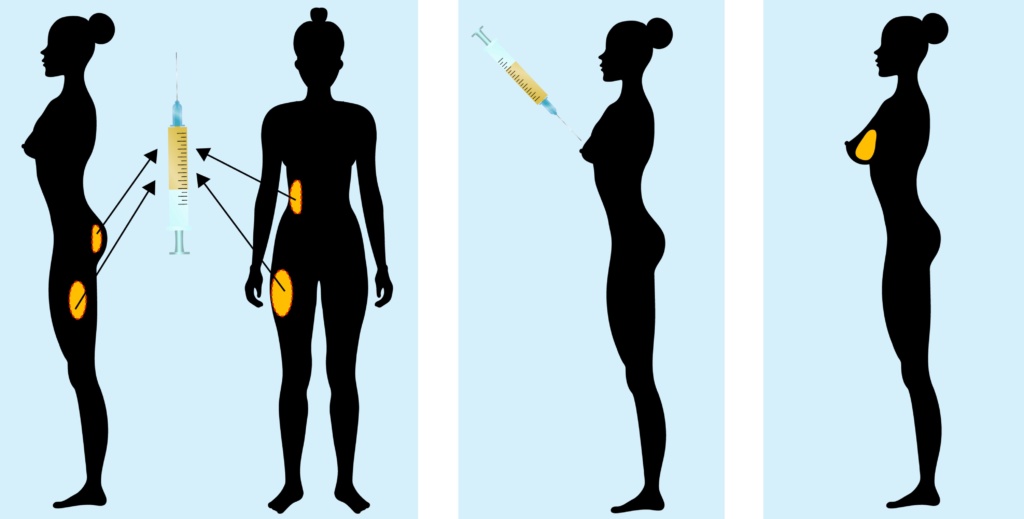
The process involves three primary steps:
- Harvesting fat through liposuction
- Purifying the collected fat
- Injecting the fat into the treatment area
At Signature Plastic Surgery, fat transfer can be used to enhance areas such as the breasts, face, hands, and gluteal region.
Because the transferred tissue comes directly from your own body, many patients appreciate the natural approach. Once the transferred fat develops a blood supply and successfully integrates into the surrounding tissue, a portion of the results can be long-lasting.
Fat transfer has been used successfully in plastic surgery for decades and remains one of the most trusted techniques for restoring volume naturally.
AlloClae vs. Fat Transfer: Key Differences
Although both treatments are designed to restore volume using fat-based material, there are several important differences.
Source of Volume
Fat transfer uses your own fat harvested through liposuction.
AlloClae uses processed donor adipose tissue that has been carefully prepared to support tissue integration.
For patients who strongly prefer using only their own tissue, fat transfer may be appealing. Others may appreciate avoiding the harvesting process altogether.
Surgical vs. Non-Surgical Treatment
One of the biggest differences is the level of invasiveness.
Fat transfer is a surgical procedure requiring liposuction, anesthesia, and recovery from both the donor and treatment areas.
AlloClae is a minimally invasive injectable procedure performed at our Charlotte plastic surgery practice under local anesthesia.
Patients who want to avoid surgery often find alloClae particularly appealing.
Candidate Requirements
Fat transfer requires sufficient donor fat for harvesting. Patients who are very lean may not have enough available fat for treatment.
AlloClae can be an attractive option for patients who:
- Have limited donor fat
- Want to avoid surgery
- Prefer a shorter recovery period
- Desire natural-looking volume restoration
Recovery
Recovery expectations differ significantly.
Following fat transfer, patients typically experience swelling, bruising, and soreness at both the liposuction site and the treatment area. Recovery time varies depending on the extent of the procedure.
With alloClae, recovery is generally shorter. Mild swelling, tenderness, or bruising may occur, but many patients return to normal activities within 24 to 48 hours.
Volume Capacity
Fat transfer is often the better option when larger amounts of volume enhancement are desired.
Because the patient’s own fat can be harvested and strategically placed in significant quantities, fat grafting can address more substantial volume deficiencies.
AlloClae may be particularly useful for patients seeking moderate enhancement without surgery.
Longevity
Longevity is one of the most important considerations when comparing alloClae vs. fat transfer.
With fat transfer, a percentage of the transferred fat survives permanently once it establishes a blood supply. Although some resorption is expected, the remaining fat can provide long-lasting results.
AlloClae provides immediate volume while supporting tissue remodeling over time. Long-term clinical experience continues to develop as this newer technology becomes more widely used. Some patients may choose maintenance treatments every one to two years depending on their goals and treatment area.
Which Option Looks More Natural?
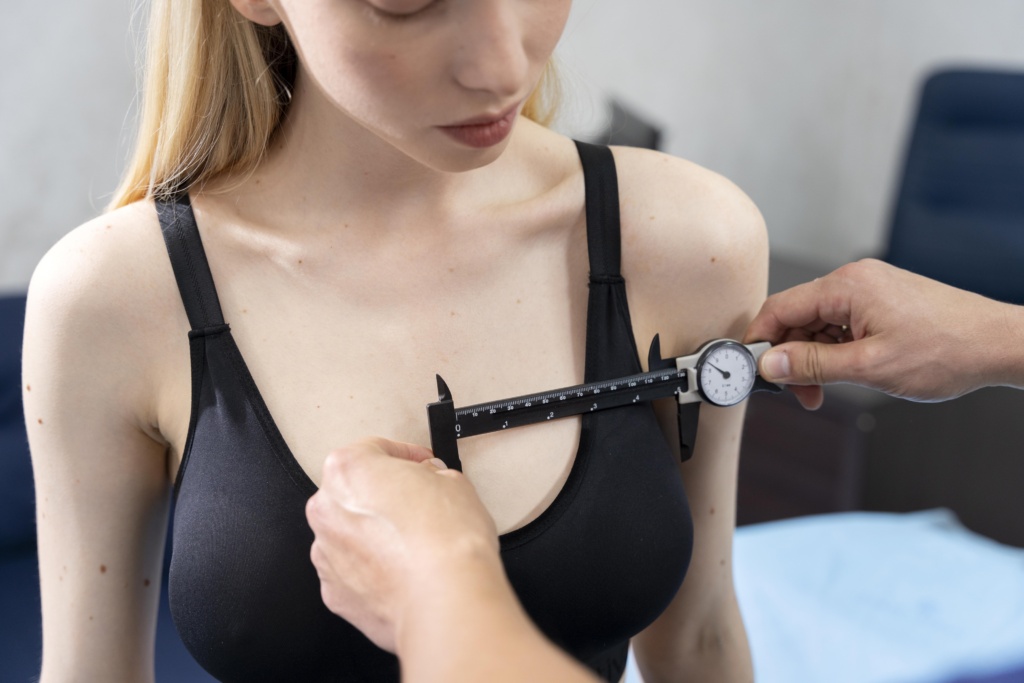
Both treatments can produce highly natural-looking results when performed by an experienced plastic surgeon.
Fat transfer is often considered the gold standard for natural volume restoration because it uses living tissue from your own body.
AlloClae was specifically designed to provide a more natural alternative to traditional synthetic fillers. Because it is derived from adipose tissue, it can create soft, natural-feeling enhancement in appropriately selected patients.
Ultimately, natural-looking results depend less on the product itself and more on proper treatment planning, patient selection, and surgical expertise.
How Much Does AlloClae Cost Compared to Fat Transfer?
Many patients researching alloClae are curious about cost.
The reality is that both alloClae and fat transfer pricing vary based on several factors, including:
- Treatment area
- Amount of volume required
- Provider experience
- Geographic location
- Overall treatment plan
Because every patient has different goals, a consultation is the best way to receive an accurate recommendation and cost estimate.
Is One Option Better Than the Other?
Neither treatment is universally better.
Fat transfer may be ideal for patients who:
- Have sufficient donor fat
- Are comfortable with a surgical procedure
- Want to use their own tissue
- Desire potentially longer-lasting volume restoration
AlloClae may be a good option for patients who:
- Want to avoid surgery
- Have limited donor fat
- Prefer less downtime
- Want a natural alternative to traditional fillers
In some cases, a combination approach may even be considered depending on the patient’s anatomy and goals.
Questions to Discuss During Your Consultation
If you are considering alloClae or fat transfer, it can be helpful to think about the following questions before your appointment:
- What areas concern you most?
- How much volume enhancement are you hoping to achieve?
- Do you prefer a surgical or non-surgical approach?
- How much recovery time can you accommodate?
- Do you have adequate donor fat available?
- What are your expectations regarding maintenance and longevity?
These discussions help create a treatment plan tailored specifically to your needs.
Exploring Your Options at Signature Plastic Surgery
At Signature Plastic Surgery, both alloClae and fat transfer are offered as part of a personalized approach to volume restoration and body contouring.
Dr. Melissa Marks takes the time to understand your goals, evaluate your anatomy, and explain the advantages and limitations of every available option. As a double board-certified plastic surgeon with fellowship training in plastic, reconstructive, and hand surgery, she is committed to helping patients make informed decisions that align with their lifestyle and aesthetic goals.
Whether you are interested in learning more about alloClae, considering fat transfer, or simply exploring your options, a consultation is the best place to start.
Schedule a consultation with Dr. Melissa Marks to learn more about alloClae, fat transfer, and the personalized treatment options available in Charlotte.