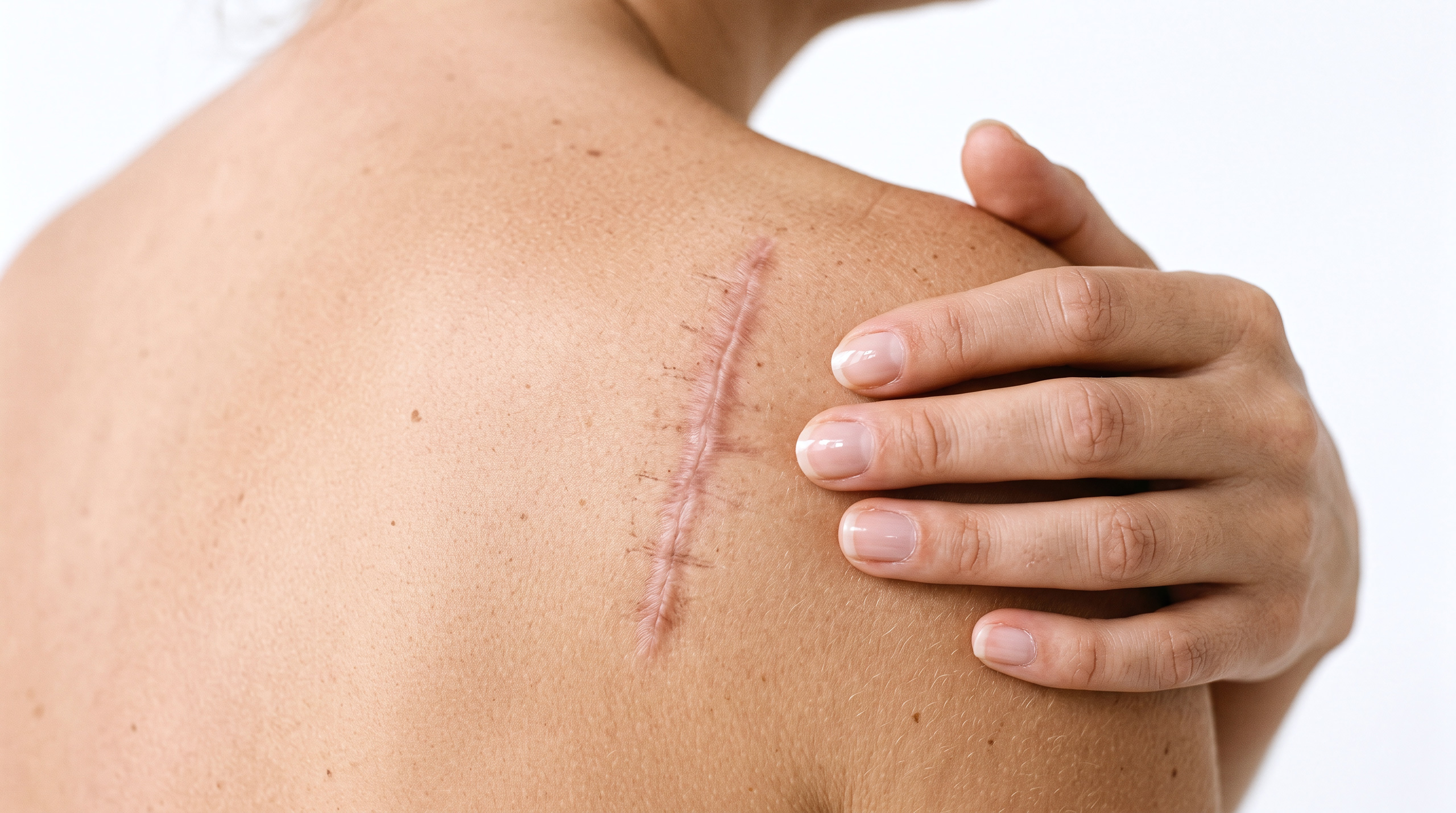
Some scars fade into the background. Others stay raised, wide, discolored, or tight long after the wound has healed. If you are looking into scar revision in Charlotte, NC, you have probably already tried the creams, the patience, and the waiting. Maybe your scar came from a C-section, an accident, a past surgery, or acne that cleared up long before the marks did. Either way, you want someone to look closely at it and tell you honestly what can be improved.
At Signature Plastic & Reconstructive Surgery, double board-certified plastic surgeon Dr. Melissa Marks uses surgical and non-surgical techniques to soften scars and help them blend more naturally with the skin around them. No scar can be erased completely, and we will never tell you otherwise. What we can do is build a plan around your scar, your skin, and your goals, so you know what kind of improvement is realistic before you decide anything.
Understanding Scar Revision
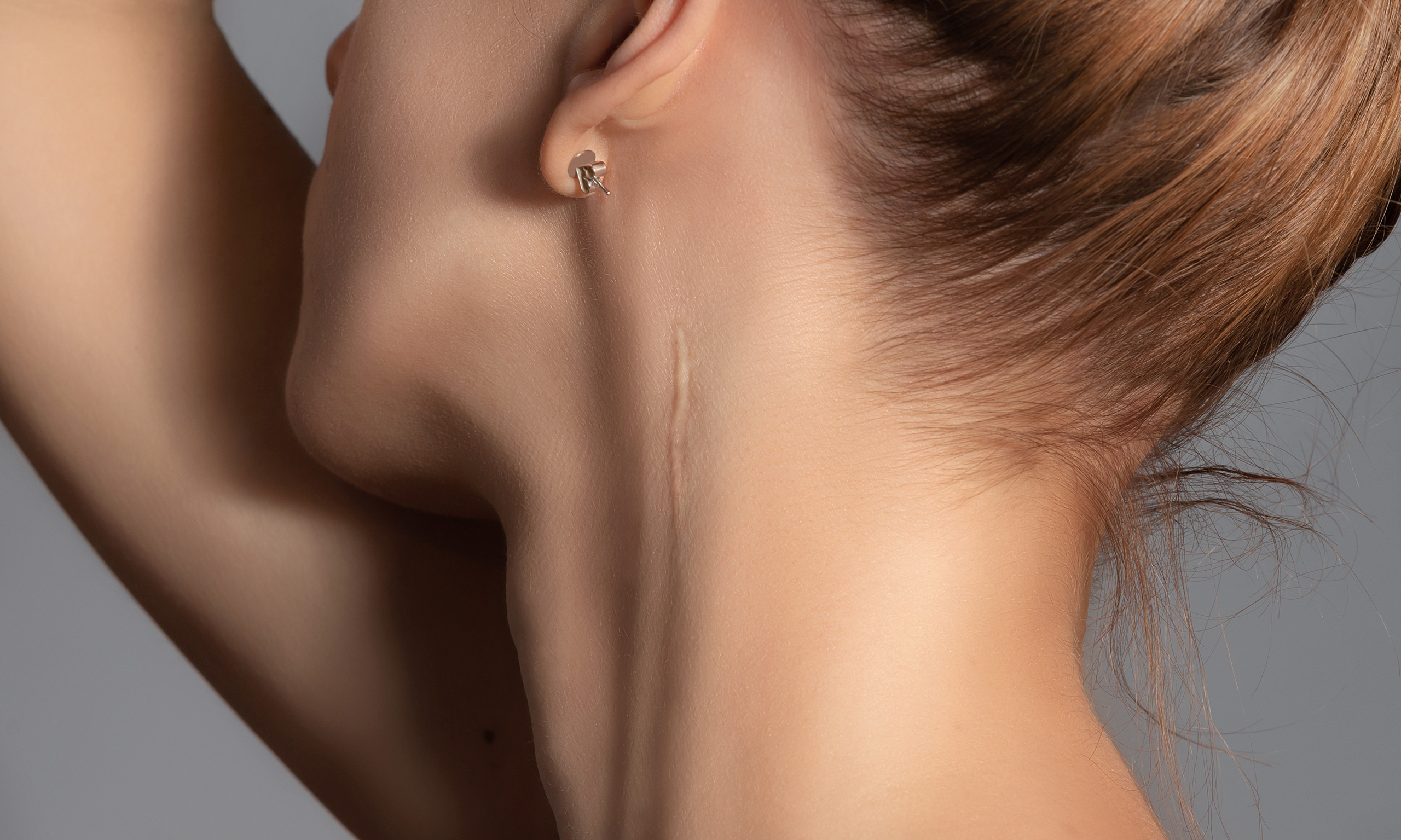
Scar revision is a procedure, or a series of treatments, that improves the size, texture, color, or tightness of a scar so it is less noticeable. MedlinePlus, a service of the National Library of Medicine, describes scar revision as surgery to improve or reduce the appearance of scars, which can also restore function when a scar limits movement.
It helps to be clear about the goal from the start. Scar revision will not make a scar disappear. It aims for a scar that is flatter, narrower, closer to your natural skin tone, or placed where it is easier to hide. For scars that pull or feel tight, it can also release that tension so the area moves more comfortably.
Timing matters, too. Scars keep changing for months after an injury or surgery, slowly flattening and fading as they mature. For that reason, Dr. Marks often recommends giving a scar time to settle before revising it, which in many cases means waiting up to a year. Every plan for scar revision starts with an honest look at where your scar is in that process.
Why Patients Choose a Female Plastic Surgeon for Scar Revision in Charlotte
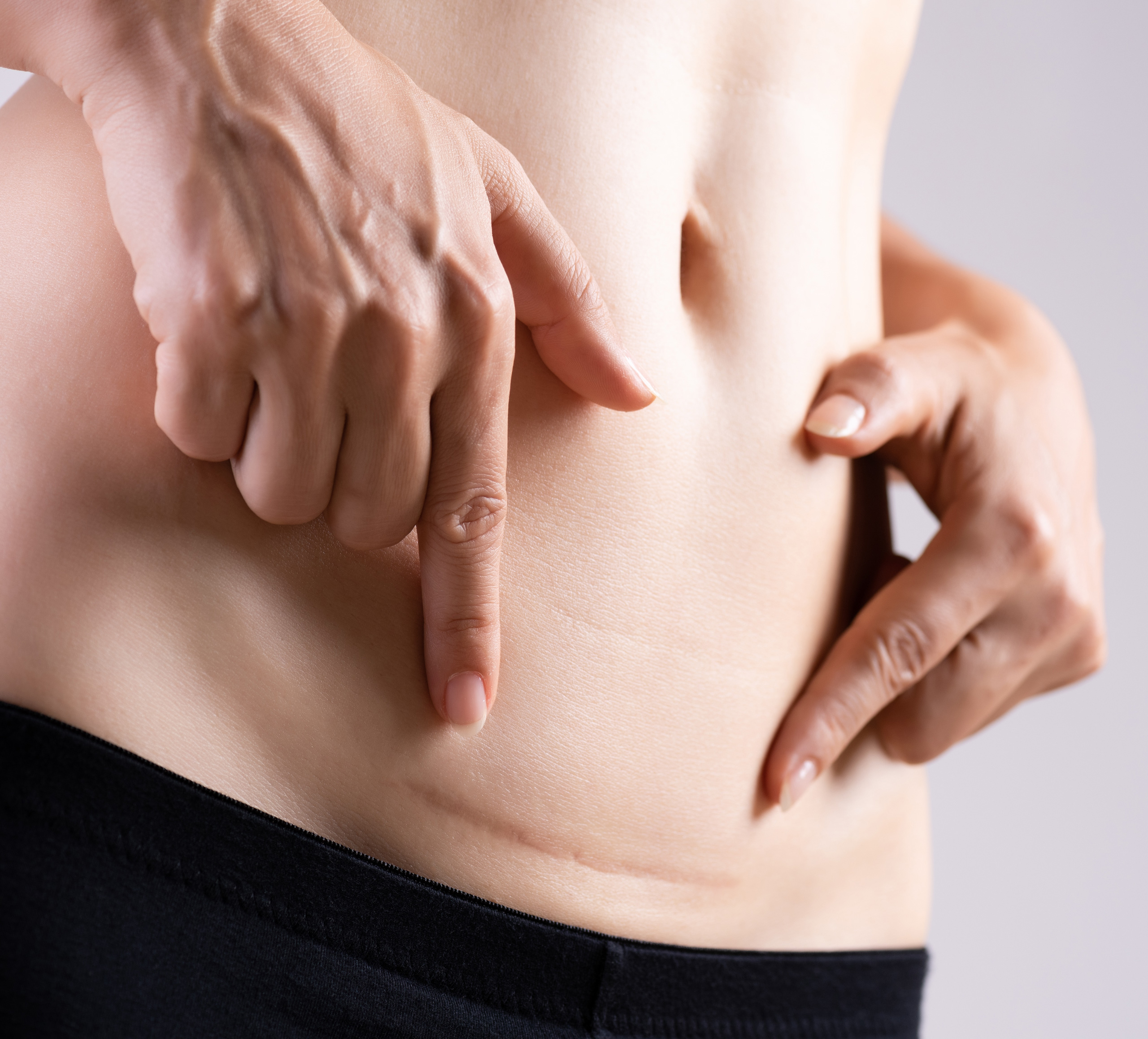
Scars are personal. Some come with memories you would rather not revisit. Others sit in places you rarely show anyone, like a C-section scar or a scar from a past breast or abdominal surgery. Talking about them openly takes trust, and many patients tell us they feel more at ease having that conversation with a female plastic surgeon.
Dr. Melissa Marks is board-certified in both Plastic and Reconstructive Surgery and General Surgery, with fellowship training in Plastic and Reconstructive Surgery and more than 15 years of surgical experience. Her reconstructive background shapes the way she looks at a scar. She considers how your skin heals, how tension pulls on the area, and how the scar sits within the natural lines of your face or body. At her boutique practice, you work directly with Dr. Marks from your first visit through your final follow-up.
Types of Scars We Treat
Every scar heals a little differently, and the type of scar you have shapes your plan for scar revision. These are the scars Dr. Marks treats most often.
- Stretch marks. Which can respond to resurfacing and microneedling treatments.
- Surgical scars. Including C-section scars, scars from past cosmetic or reconstructive surgery, and incisions that healed wider or more visible than expected.
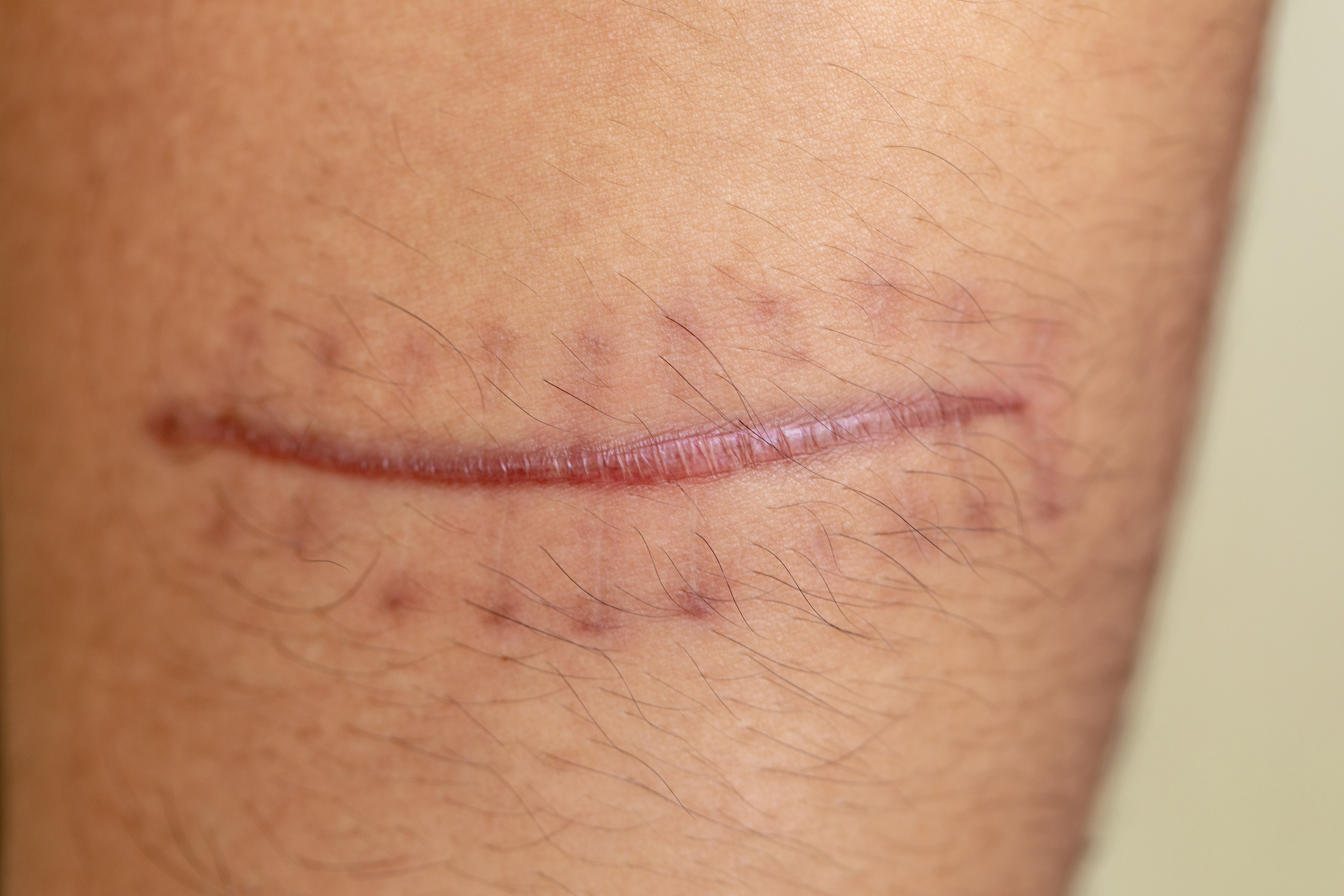
- Hypertrophic scars. Raised, red scars that stay within the borders of the original wound.
- Keloid scars. Thick, firm scars that grow beyond the original wound. Keloids can be stubborn and may come back, so treatment is usually layered and closely followed.
- Atrophic scars. Sunken or pitted scars, including many acne scars and chickenpox scars.
- Scar contractures. Tight scars, often from burns, that pull on the surrounding skin and can limit movement.
- Traumatic scars. Scars from accidents, cuts, or bites, especially those that healed unevenly or irregularly.
C-Section and Post-Surgical Scar Revision
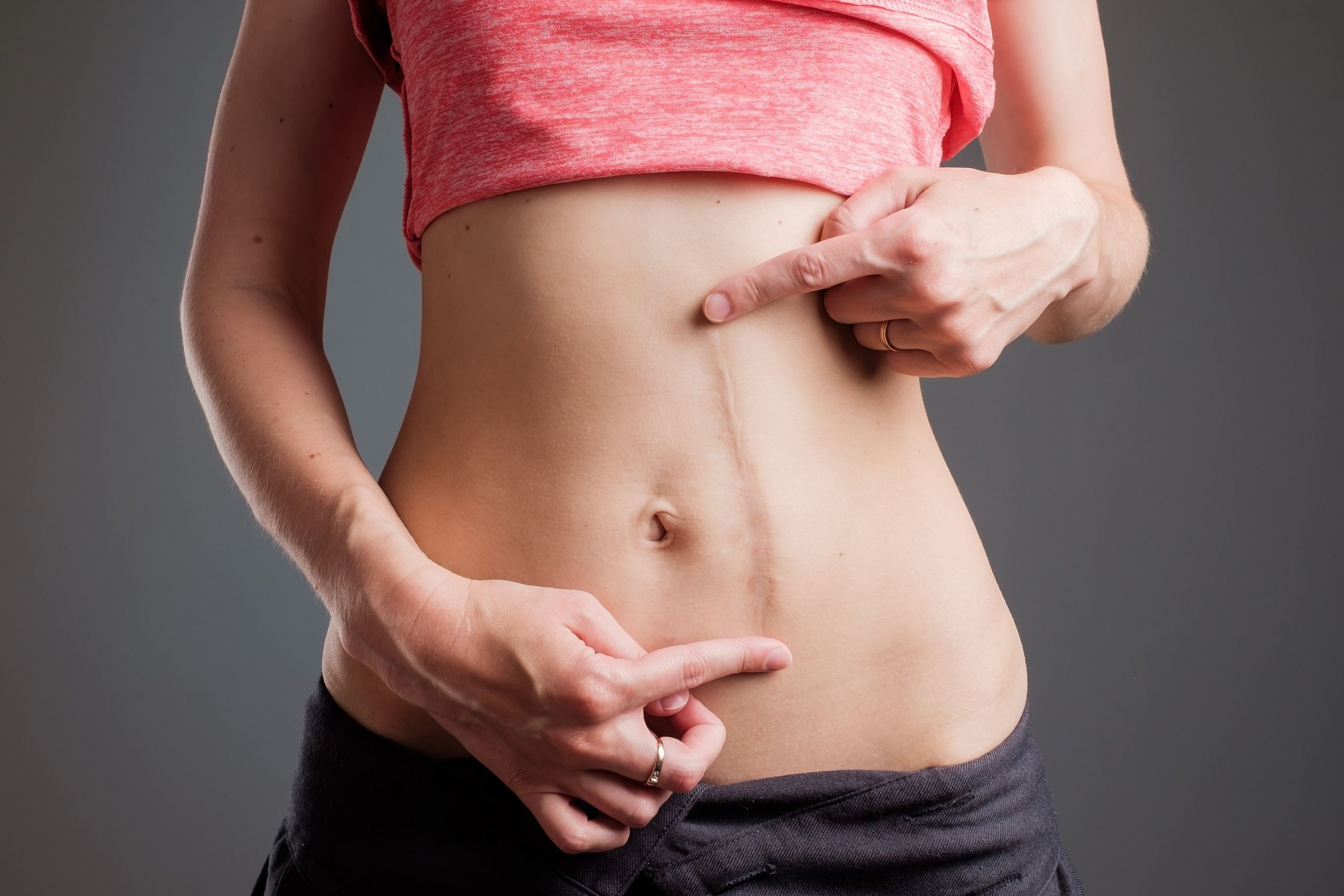
Some of the most common scars we see come from earlier surgeries. A C-section scar may have healed wide or indented, or a small shelf of skin may sit right above it. A scar from a past tummy tuck, breast surgery, or other procedure may have stretched or darkened over time. Many of these scars can be refined with surgical revision, sometimes paired with laser or injectable treatments afterward.
When a C-section scar sits under loose lower abdominal skin, a tummy tuck may remove or reposition it as part of the procedure. For moms who want to address several changes at once, a mommy makeover can bring scar refinement into a broader plan with a single recovery.
Am I a Good Candidate for Scar Revision?
You may be a good candidate for scar revision in Charlotte, NC if you
- Have a scar that has had time to mature, or one Dr. Marks feels is ready to treat
- Are in good overall health, with no active infection or irritation in the area
- Do not smoke, or are willing to stop before and after treatment, since smoking slows healing
- Want to improve how a scar looks or moves and understand it will be softened rather than erased
- Are ready to follow your aftercare plan, including sun protection and scar care at home
If you know you tend to form keloids, tell Dr. Marks during your visit. It does not rule you out, but it does change how she plans your treatment.
Be sure to tell us about any medications you take, especially blood thinners or supplements like fish oil that can make you bruise more easily. It helps Dr. Marks plan a treatment that’s safe for you.
Scar Revision Techniques and Treatment Options
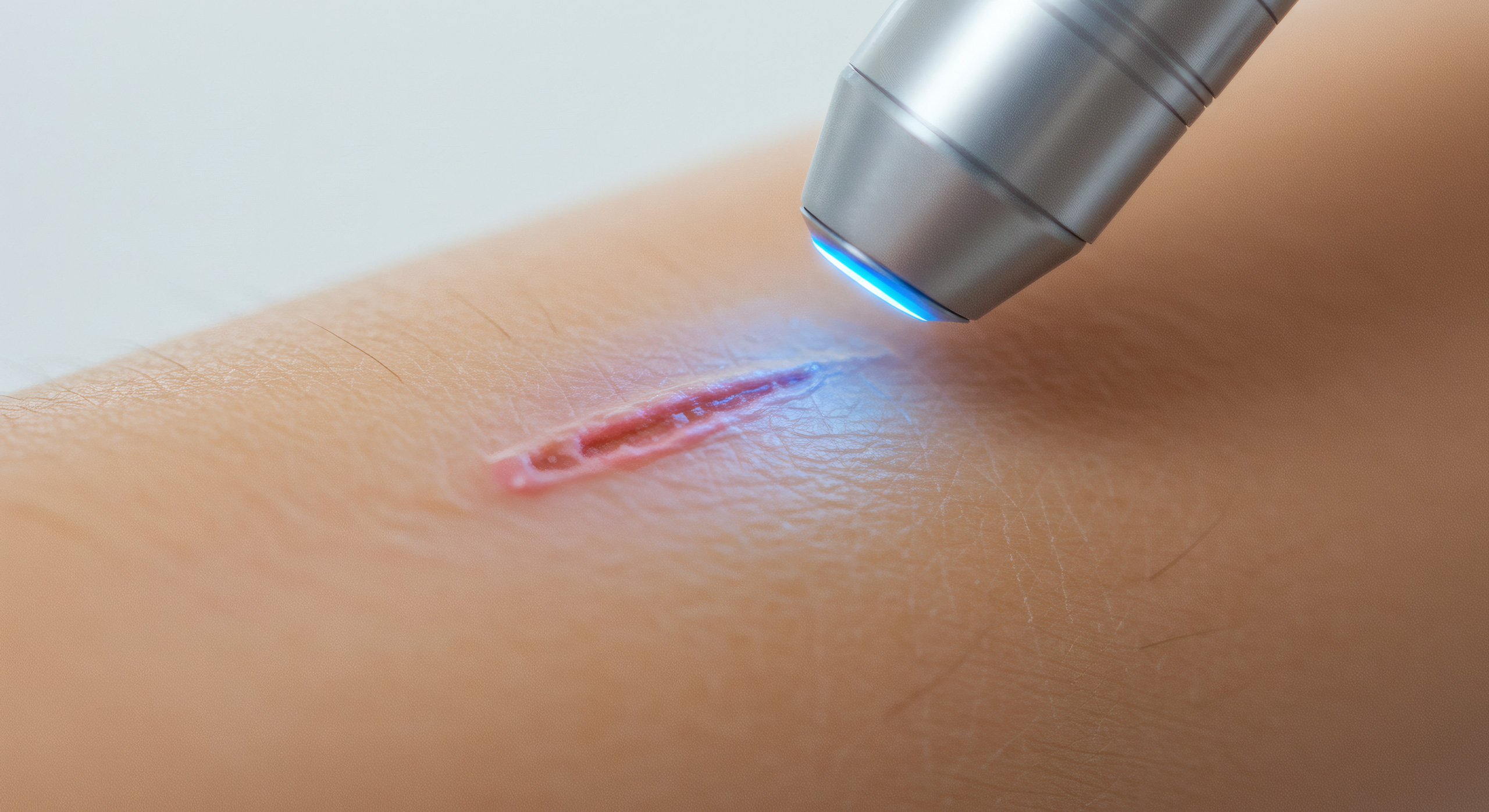
There is no single scar revision surgery that works for every scar. Dr. Marks chooses from several techniques and often combines them based on the type of scar, where it sits, and how your skin tends to heal.
- Surgical excision. The scar is carefully removed, and the skin is closed in layers with fine sutures. Layered closure helps take tension off the skin so the new scar can heal thinner and flatter.
- Z-plasty and W-plasty. These techniques reposition a scar so it follows your natural skin lines more closely or break up a long, straight scar so it is less noticeable. They are also used to release scar contractures.
- Laser resurfacing and microneedling. Acne scars and rough, uneven patches of skin usually need work at the surface, not surgery. That is where fractional CO₂ laser resurfacing and microneedling from our spa and laser services come in. Over a series of sessions, they can help smooth the texture and even out the color.
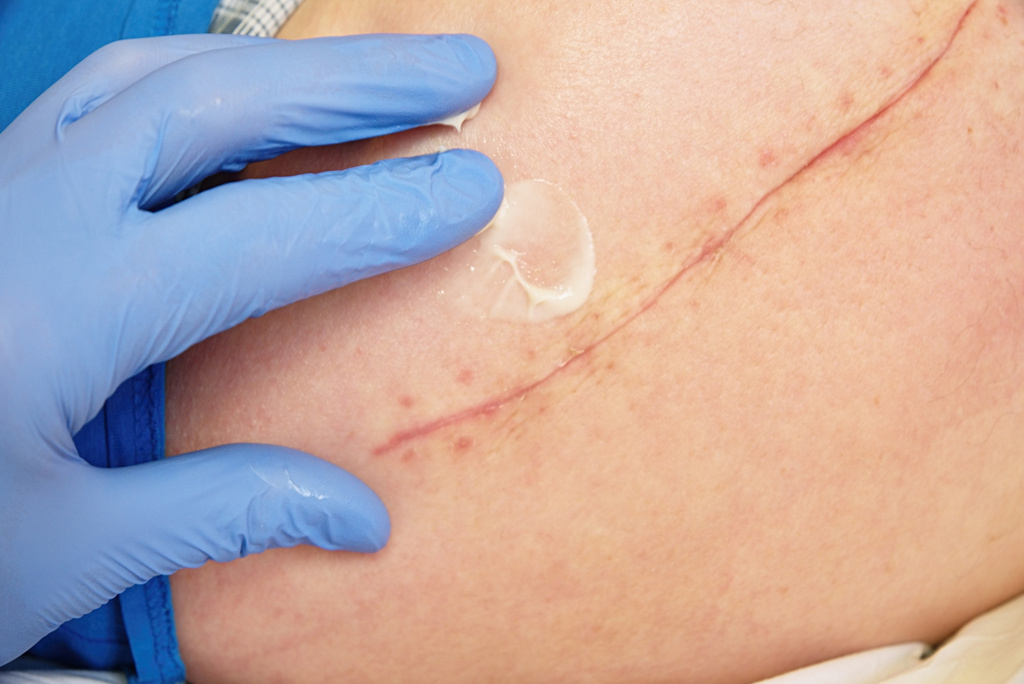
- Steroid injections and silicone therapy. These are often the first step for raised scars and keloids. Steroid injections go directly into the scar, and silicone sheets or gel are used at home. Over time, both can help flatten the scar and fade some of the redness.
- Fat grafting and dermal fillers. For sunken scars, adding volume beneath the scar can lift it closer to the level of the surrounding skin.
- Local flaps and skin grafts. For larger scars or contractures, healthy nearby tissue may be used to rebuild the area. These are the same techniques Dr. Marks uses in skin cancer and reconstructive procedures.
Many patients benefit from more than one approach. A surgically revised scar might be fine-tuned later with laser treatments, for example. Dr. Marks will explain why she recommends each step, so you understand the full plan before anything begins.
What to Expect During Your Consultation
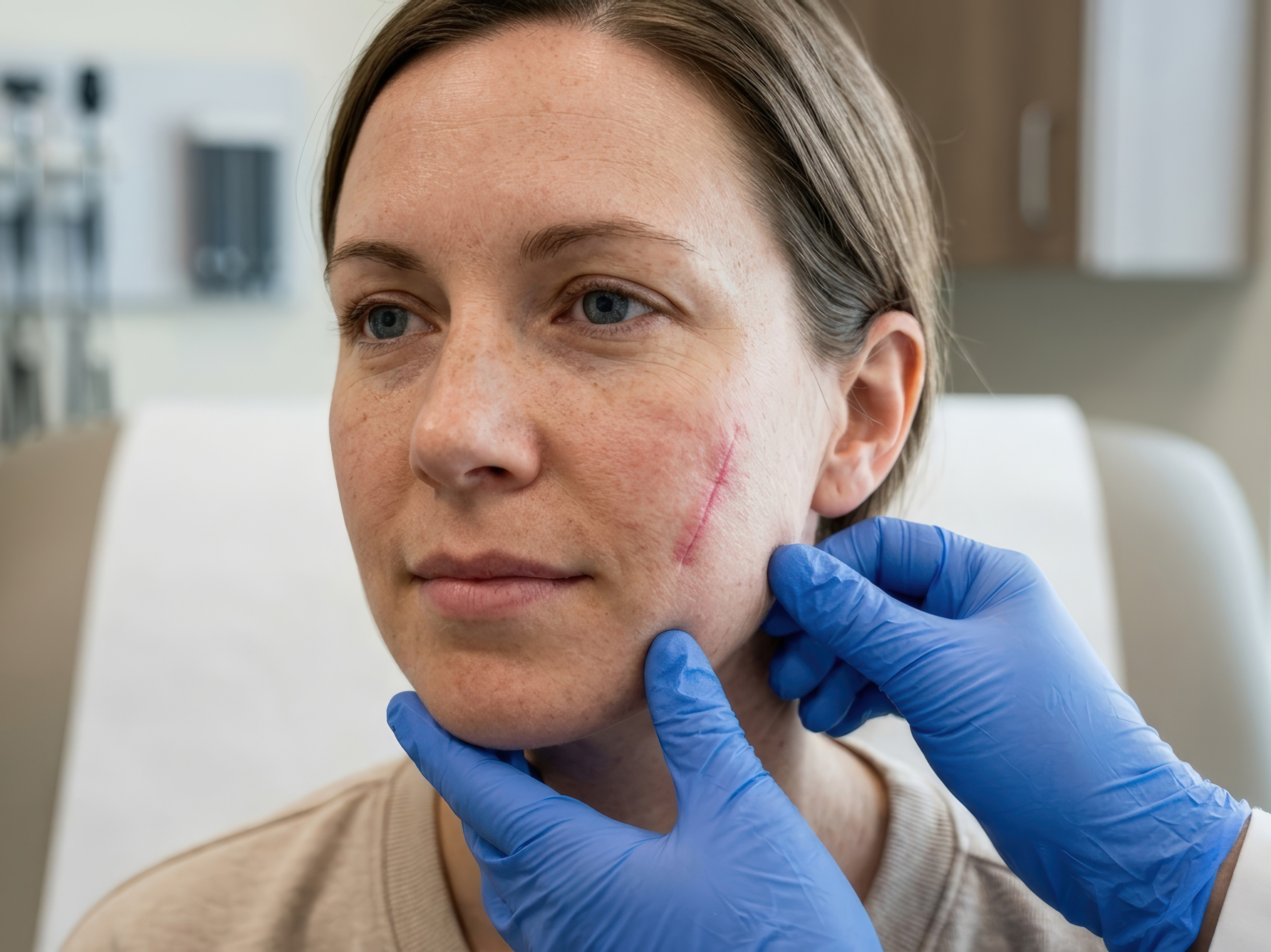
Plan on a relaxed, unhurried visit with Dr. Marks. She will want to see your scar up close and hear the story behind it, so you can expect her to
- Look at the scar in good light, checking its size, color, texture, and how it moves with the skin around it
- Ask when and how it happened and how your skin has healed after past cuts or surgeries
- Go over your health history, your medications, and anything you have already tried on the scar
- Tell you plainly what she thinks can improve and what probably will not
- Walk you through the plan she recommends, including timing, recovery, and cost
There is no pressure to book anything that day. Take your time, ask your questions, and decide when you are ready.
Scar Revision Recovery and What to Expect
Recovery depends on the technique used and on the size and location of your scar. Here is a general look at what many patients experience after scar revision surgery.
- The first few days. Mild swelling, redness, and tenderness are normal. Most surgical revisions are outpatient procedures, so you go home the same day.
- One to two weeks. You may need to limit activities that stretch the treated area. Sutures are typically removed within 5 to 14 days, depending on location.
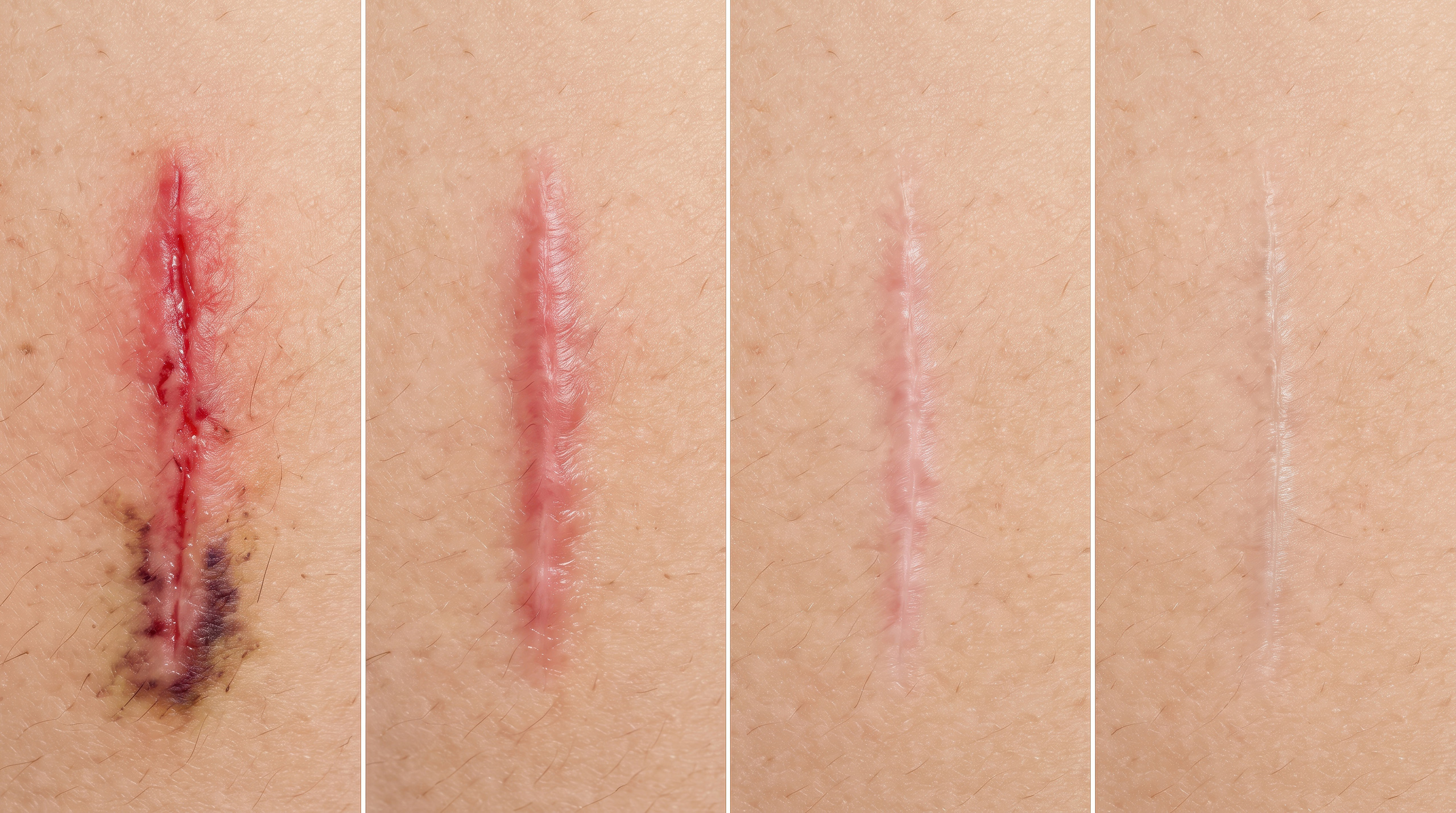
- The following weeks and months. Expect the new scar to look pink, or even a little red, for a while. That is normal and part of how scars heal. This is also when your aftercare does the most good, so keep up with your silicone, be gentle with the area, and put sunscreen on it every day.
- Several months to a year. Your scar is still changing long after it looks healed. Little by little, it tends to flatten, soften, and lighten in color.
Non-surgical treatments like laser resurfacing and microneedling usually involve less downtime, often a few days of redness or sensitivity, although a series of sessions is common. Dr. Marks will give you aftercare instructions specific to your plan.
What Determines the Cost of Scar Revision in Charlotte
Because every scar is different, every plan is priced individually. The cost of your treatment will depend on
- The size, type, and location of your scar
- The technique, or combination of techniques, in your plan
- Whether you need one treatment or a series of sessions
- Anesthesia and facility fees, if surgery is involved
You will receive a personalized quote after your consultation. Scar revision done for cosmetic reasons is usually not covered by insurance. If your scar causes pain or limits movement, ask our team whether any part of your treatment may qualify. You can also explore our financing options to make your plan more manageable.
Scar Revision or Minor Excision? Finding the Right Fit
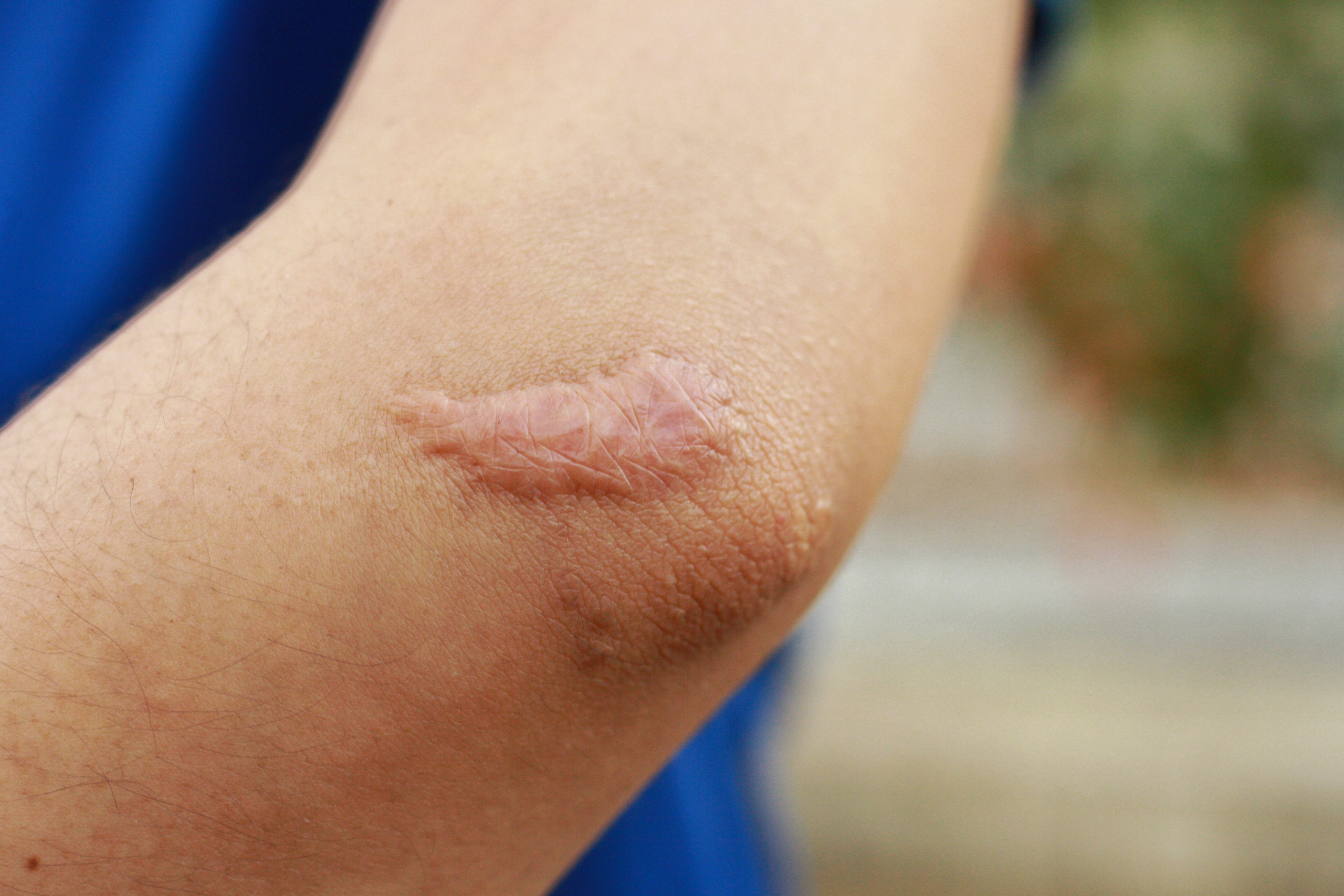
Scar revision and minor excisions often get grouped together because both rely on careful plastic-surgical closure. The difference is the goal. Scar revision improves a scar you already have. A minor excision removes something like a mole, cyst, lipoma, or skin tag, using small, well-placed incisions to keep the resulting scar as discreet as possible.
Serving Charlotte and the Surrounding Communities
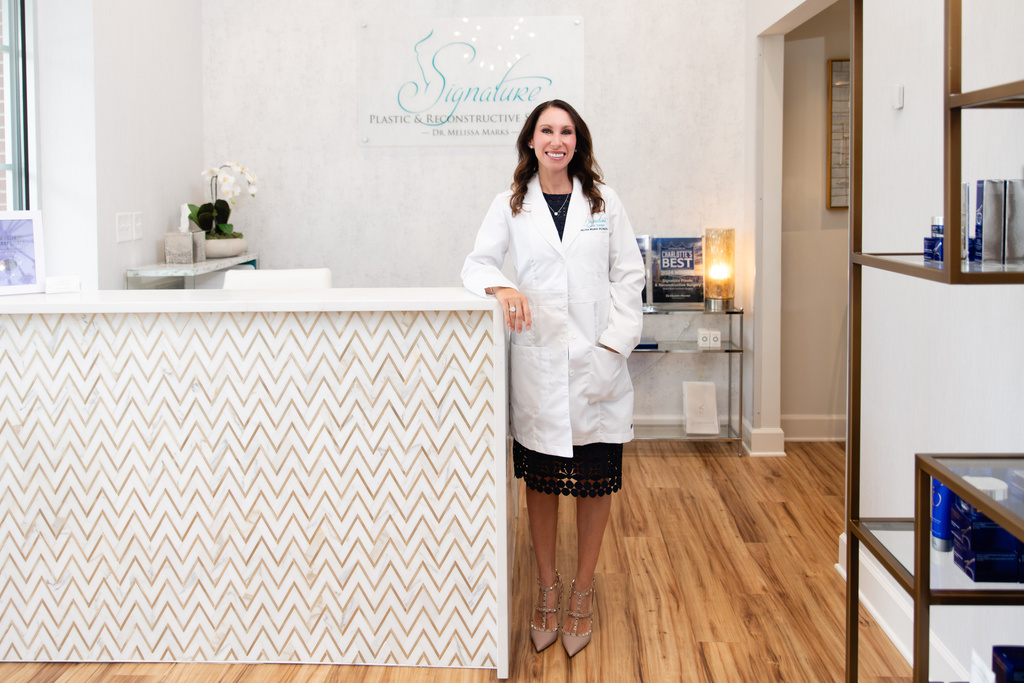
Signature Plastic & Reconstructive Surgery proudly offers scar revision in Charlotte, NC, for patients from Ballantyne, Steele Creek, South Charlotte, and across the greater Charlotte and Lake Norman area. Our private, boutique office on Steelecroft Parkway gives you a calm, comfortable place to talk about a concern that may have bothered you for years.
Frequently Asked Questions
Can a scar be completely removed?
No. Any time the skin is cut or injured, it heals with a scar. Scar revision makes a scar less noticeable by improving its width, height, color, or texture, and in some cases by moving it to a less visible spot.
How long should I wait before scar revision?
Many scars keep improving for up to a year as they mature, so Dr. Marks often recommends waiting before surgical revision. Scars that limit movement or cause discomfort may be treated sooner.
Can a C-section scar be revised?
Yes. C-section scars that are wide, raised, indented, or sit under a fold of skin can often be improved. If loose lower abdominal skin also bothers you, a tummy tuck may address the scar as part of the same procedure.
Can keloids come back after treatment?
They can. Keloids have a higher chance of returning than other scars, which is why Dr. Marks often combines excision with steroid injections or silicone therapy and follows your healing closely.
Does insurance cover scar revision?
Usually not, if the goal is cosmetic. It can be a different story when a scar is painful, limits how you move, or comes from an injury, since some plans will cover part of the treatment in those cases. Every plan is different, so our team is glad to help you figure out what yours may include.
How much does scar revision cost in Charlotte?
It really depends on your scar. A small scar treated in one visit is priced very differently from a large scar that needs surgery and a few laser sessions afterward. Once Dr. Marks has seen it, you will get a quote built around your plan, and financing is available if you would like to spread out the cost.
Schedule Your Scar Revision Consultation in Charlotte, NC
You do not have to keep working around a scar that bothers you. Whether it is raised, sunken, tight, or simply more visible than you would like, scar revision in Charlotte, NC, with Dr. Melissa Marks starts with a private, one-on-one conversation about what is possible for your skin.
Schedule your scar revision consultation and leave with a clear, honest plan for your scar.